
PVC Sarma Film Nedir ve Nasıl Kullanılır?
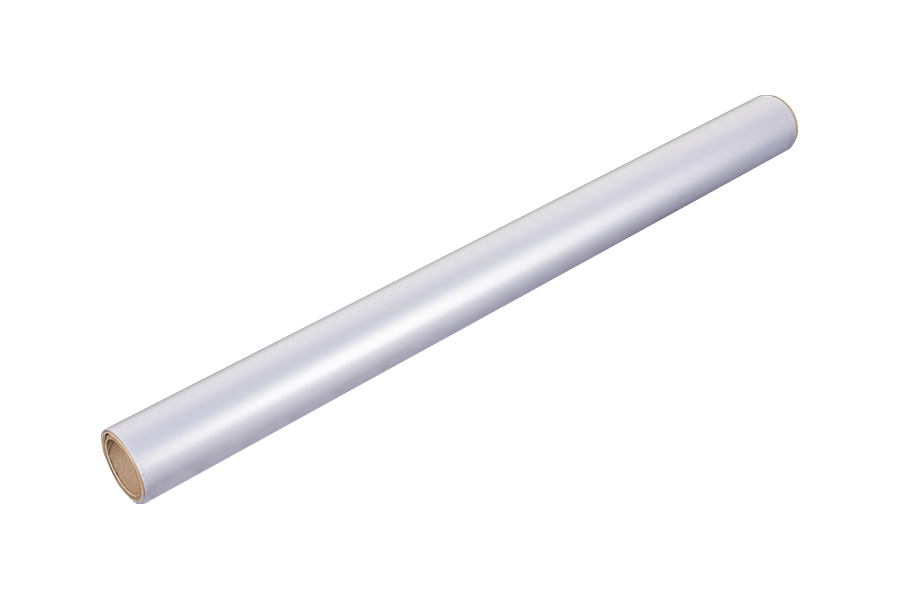
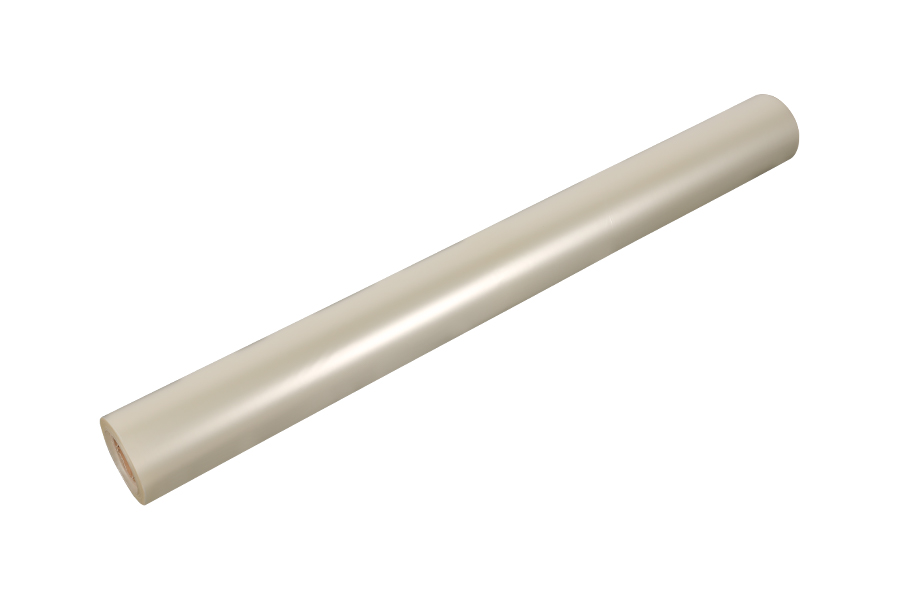
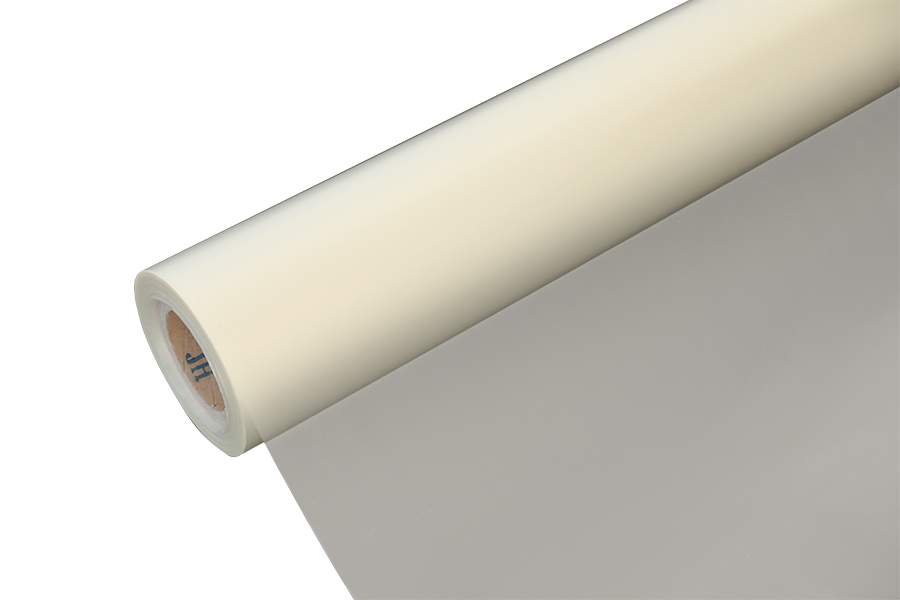
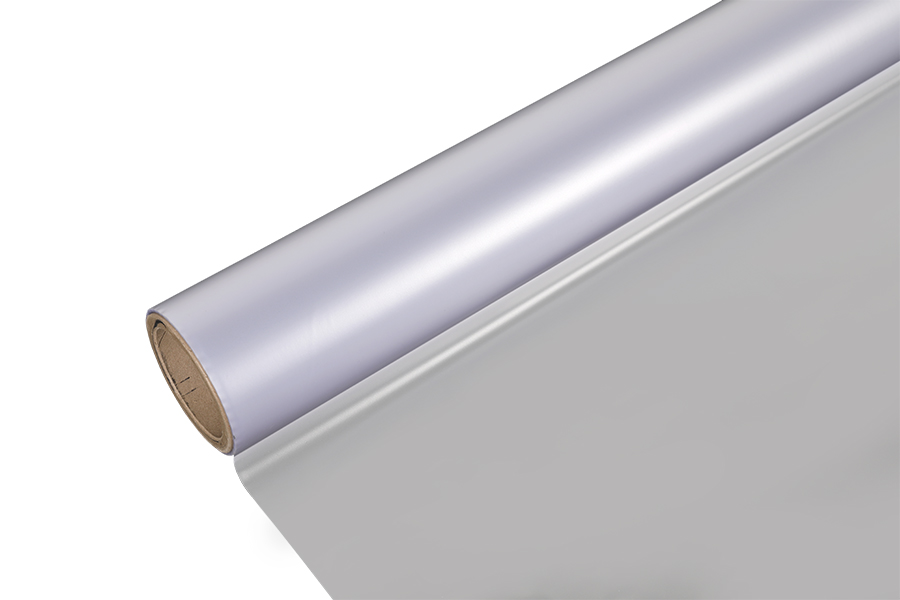
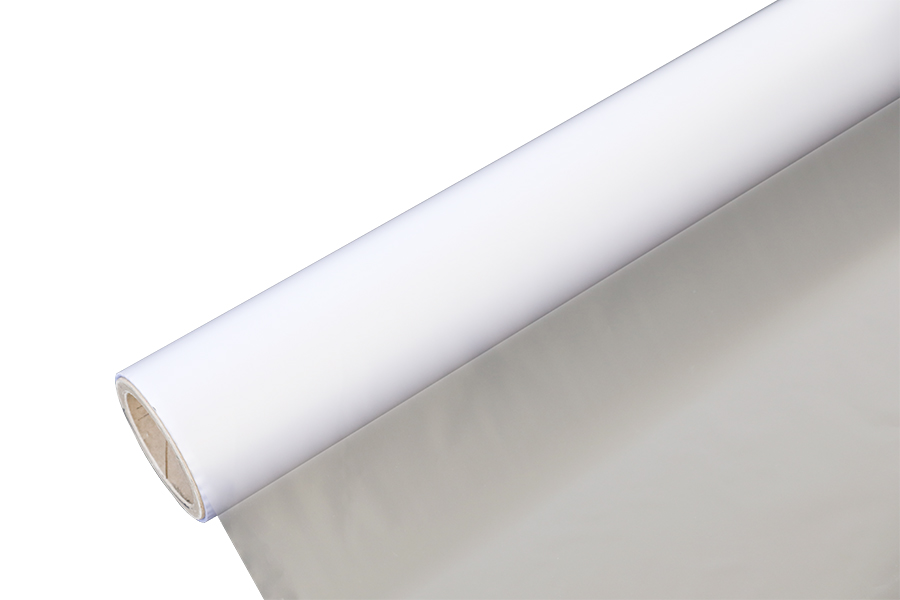
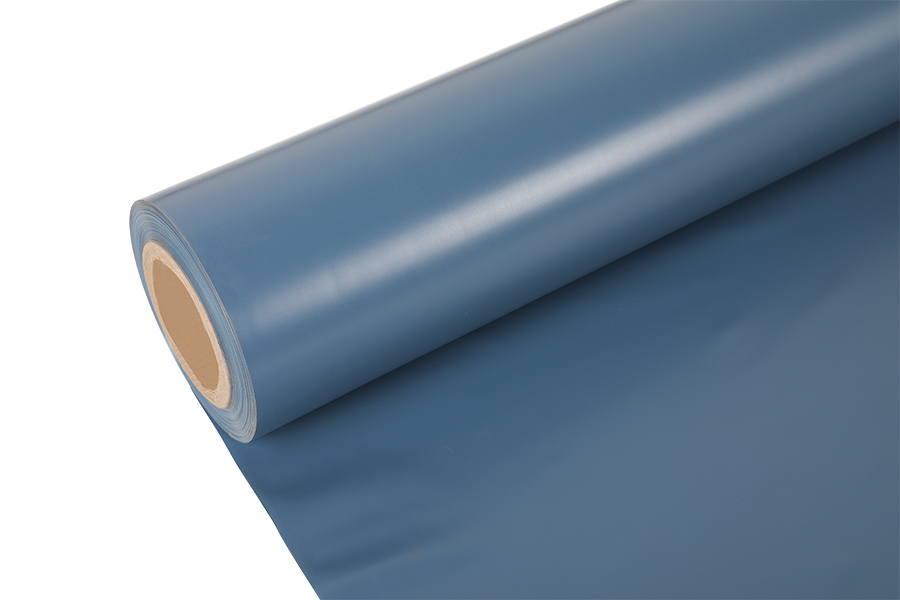
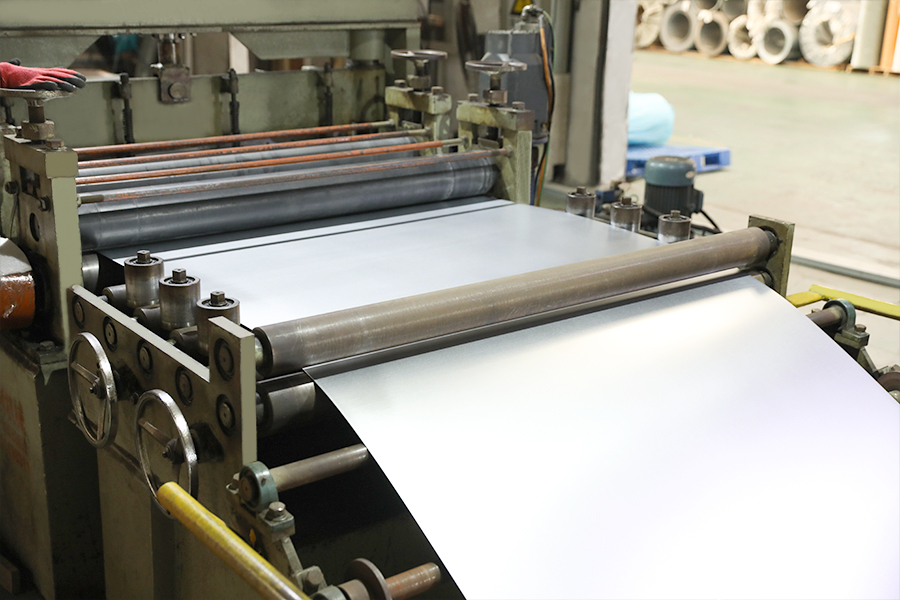
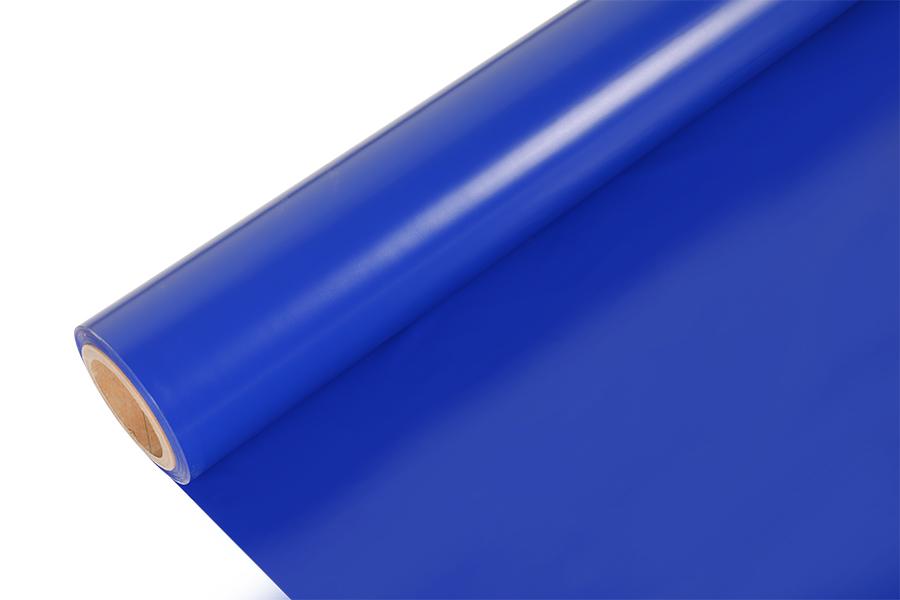
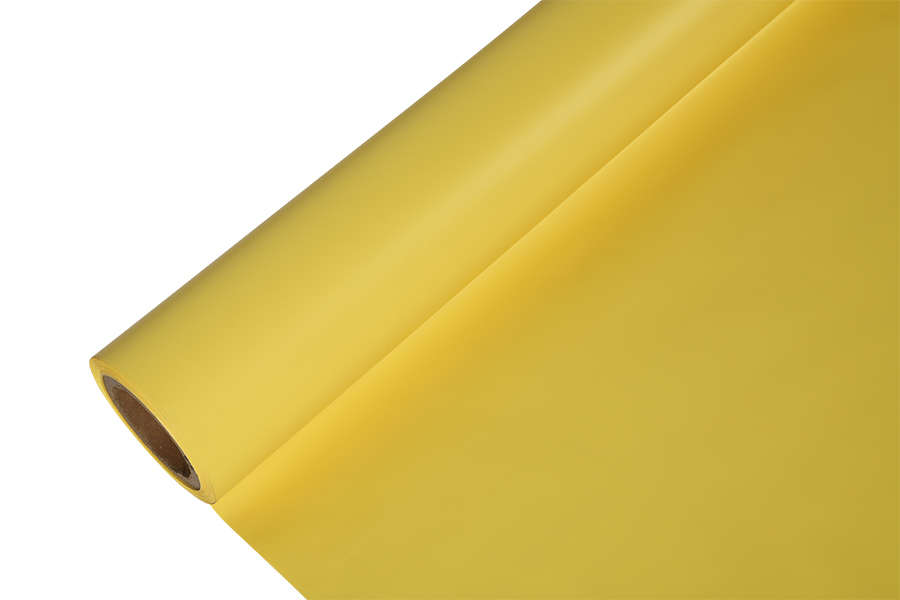
PVC sarma filmi, çok çeşitli endüstrilerde kullanılmak üzere sürekli rulolar halinde üretilen esnek, plastikleştirilmiş bir polivinil klorür malzemesidir. Çok yönlülüğü onu paketleme, baskı, etiketleme, laminasyon, reklam grafikleri ve endüstriyel koruma uygulamalarında tercih edilen bir malzeme haline getirir. Film, kalınlık, berraklık, esneklik ve yüzey dokusu üzerinde hassas kontrol sağlayan perdahlama veya ekstrüzyon işlemleriyle üretilir. Ruloların genişliği yalnızca birkaç santimetreden iki metrenin üzerine kadar değişebilir ve son kullanıma bağlı olarak uzunlukları yüzlerce metreye kadar çıkabilir.
PVC sarma filmi seçerken en önemli ayrımlardan biri, tek taraflı mı yoksa çift taraflı versiyona mı ihtiyacınız olduğudur. Bu seçim yapışmayı, baskı kalitesini, laminasyon performansını ve filmin alt tabakalarla veya makineyle nasıl etkileşime girdiğini doğrudan etkiler. Bu iki tür arasındaki yapısal ve işlevsel farklılıkları anlamak, ister ambalaj mühendisi, ister matbaa operatörü, ister ürün tasarımcısı olun, doğru satın alma kararını vermek için çok önemlidir.
Tek Taraflı PVC Sarma Film Nasıl Yapılır?
Tek taraflı PVC haddeleme filmi bir işlenmiş veya işlevsel yüzeye ve bir düz veya kaplamalı yüzeye sahiptir. İşlem görmüş taraf, mürekkebin yapışması için optimize edilmiş bir kaplamaya, basınca duyarlı bir yapışkan katmana, mat veya parlak bir son işlem işlemine veya diğer malzemelerle yapışmayı geliştiren koronayla işlenmiş bir yüzeye sahip olabilir. Film arkası yapışkanla kaplandığında karşı taraf genellikle işlenmeden bırakılır veya bir silikon ayırıcı katmanla kaplanır, böylece katmanlar birbirine yapışmadan rulonun temiz bir şekilde açılması sağlanır.
Bu tek taraflı işlem, filmin bir yüzeye uygulandığı ve arka tarafının görünümden veya temastan gizlendiği çoğu uygulama için yeterlidir. Örneğin, kendinden yapışkanlı vinil tabelada, yalnızca ön yüzün UV ile kürlenen veya solvent bazlı mürekkepleri kabul etmesi gerekirken arka taraftaki yapıştırıcı alt tabakaya yapışır. Bu tür filmin geniş formatlı yazıcılar, kalıp kesiciler veya laminatörler yoluyla işlenmesi basittir çünkü makineyle aynı anda yalnızca bir yüzey öngörülebilir, tutarlı bir şekilde etkileşime girer.
Çift Taraflı PVC Sarma Film Yapısal Olarak Nasıl Farklılaşır?
Çift taraflı PVC sarma filmi, filmin her iki tarafında aktif veya işlenmiş yüzeylere sahiptir. Uygulamaya bağlı olarak bu, iki yapışkan katman, iki yazdırılabilir yüzey, iki yapıştırmaya hazır kaplama veya her bir tarafın ayrı bir işlev gördüğü bir kombinasyon anlamına gelebilir. Yaygın bir örnek, bir tarafının bir alt tabakaya ve diğer tarafının ikinci bir malzemeye bağlandığı, iki yüzeyi mekanik bağlantı elemanları olmadan etkili bir şekilde birleştiren çift taraflı yapışkan PVC bant veya montaj filmidir.
Çift taraflı yapışkan filmin kendi kendine yapışmadan rulo halinde saklanabilmesini sağlamak için, sarma sırasında katmanların arasına genellikle silikon kaplı kağıt veya polyesterden yapılmış bir astar yerleştirilir. Bu astar, ikinci yapışkan yüzeyi ortaya çıkarmak için uygulama sırasında soyuluyor. Baskı veya laminasyon için tasarlanan yapışkan olmayan çift taraflı filmde, yapı, her iki yüzde de mürekkeplere veya bağlayıcı maddelere eşdeğer alıcılık sağlayan yüzey işlemlerini içerir; bu, filmin, işleme ekipmanı aracılığıyla yüzü yukarı veya yüzü aşağı beslenip beslenmediğine bakılmaksızın tutarlı bir şekilde performans göstermesini sağlar.
Tek Taraflı ve Çift Taraflı PVC Film: Bir Bakışta Temel Farklılıklar
Aşağıdaki tablo, hangi türün proje gereksinimlerinize uygun olduğunu hızlı bir şekilde belirlemenize yardımcı olmak için tek taraflı ve çift taraflı PVC sarma film arasındaki en önemli teknik ve pratik farklılıkları özetlemektedir.
| Özellik | Tek Taraflı | Çift Taraflı |
| İşlenmiş yüzeyler | bir | Her ikisi de |
| Astar gerekli | Yalnızca yapışkanla desteklenmişse | Neredeyse her zaman |
| Birincil kullanım | Tabela, laminasyon, paketleme | Birleştirme, montaj, çift yüze yazdırma |
| Maliyet | Genellikle daha düşük | İkili tedavi nedeniyle daha yüksek |
| Uygulama karmaşıklığı | Düşük ila orta | Orta ila yüksek |
| Yeniden konumlandırılabilirlik | Düşük yapışmalı versiyonlarla mümkün | Nadiren yeniden konumlandırılabilir |
Tek Taraflı PVC Sarma Film için En İyi Uygulamalar
Tek taraflı PVC rolling film dominates applications where only one face of the material needs to perform a specific function. Its simpler construction translates to easier handling, lower production costs, and compatibility with a broader range of equipment. Here are the areas where it excels:
- Geniş formatlı dijital baskı: Solvent, eko-solvent, UV ve lateks yazıcıların tümü rulo ortamın tek yüzüne yazdırmak üzere tasarlanmıştır. Ön tarafında korona uygulanmış veya mürekkebi alan kaplamaya sahip tek taraflı yazdırılabilir PVC, afişler, araç kaplamaları, pencere grafikleri ve zemin çıkartmaları için keskin, dayanıklı grafikler sunar.
- Koruyucu laminasyon: Tek taraflı PVC laminating film applied over printed materials adds scratch resistance, UV protection, and waterproofing. Gloss, matte, and soft-touch finishes are all available in single sided roll formats compatible with hot and cold laminating machines.
- Daralan makaronlar ve ambalaj ambalajları: Tek taraflı PVC shrink film is fed through forming and sealing equipment to wrap around containers. The heat-shrink properties activate uniformly because only the outer surface needs printing or branding treatment.
- Kendinden yapışkanlı etiketler ve çıkartmalar: Bir yüz basılı tasarımı veya kaplamayı taşır; arka kısmı bir ayırma astarı ile yapışkanla kaplanmıştır. Bunlar etiket ve tabela endüstrilerinde en yaygın olarak üretilen rulo ürünler arasındadır.
- Yüzey koruma filmi: İmalat ve nakliye sırasında mobilyaları, camı, boyalı yüzeyleri veya elektronik eşyaları korumak için yapışkan tarafı aşağı bakacak şekilde uygulanır; yapışkan olmayan dış yüzü temiz, toza dayanıklı bir bariyer sağlar.
Çift Taraflı PVC Sarma Film için En İyi Uygulamalar
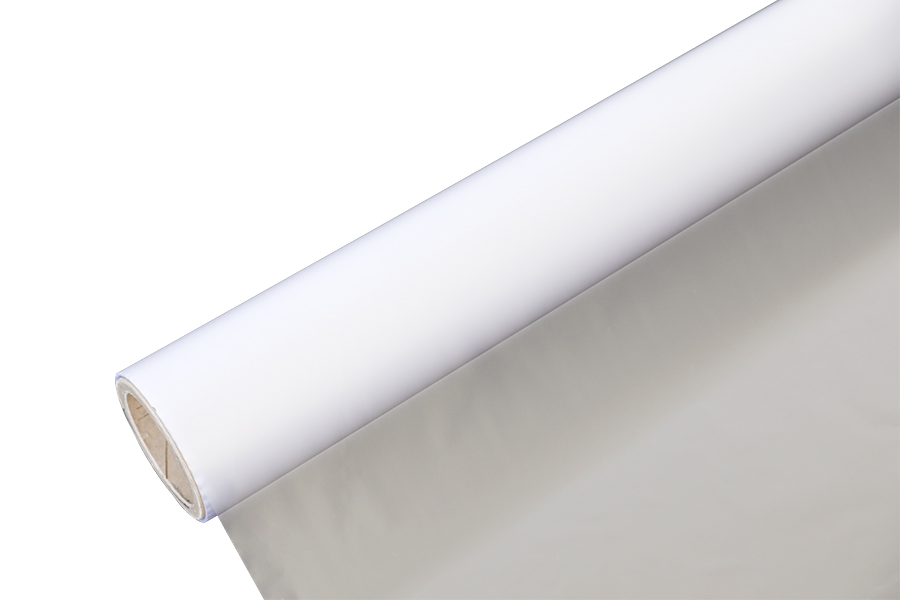
Çift taraflı PVC sarma filmi, tek taraflı filmin performans gösteremediği senaryolara yöneliktir. Her iki yüze bağlanma veya etkileşime girme yeteneği, malzemelerin aynı anda sıkıştırılmasını, birleştirilmesini veya iki yönden görüntülenmesini gerektiren farklı bir uygulama kategorisinin önünü açar.
- Çift taraflı yapışkanlı montaj: Satış noktası vitrinlerinde, perakende satış ekipmanlarında ve sergi stantlarında çift taraflı yapışkan PVC film, dekoratif panelleri yapısal çerçevelere bağlar veya iki farklı malzemeyi (kumaştan köpük panele) ince alt katmanları deforme edebilecek görünür bağlantı elemanları veya sıvı yapıştırıcılar olmadan birleştirir.
- Pankart ve bayrakların asılması: Çift taraflı yazdırılabilir PVC film, asılı bir ekranın her iki yüzünün de grafik taşımasına olanak tanır ve iki ayrı tek taraflı baskı üretme ve bunları arka arkaya yapıştırma ihtiyacını ortadan kaldırır. Bu, her iki tarafta görsel kaliteyi korurken malzeme kalınlığını, ağırlığını ve üretim süresini azaltır.
- Otomotiv iç yapıştırma: Çift taraflı PVC yapışkan film, araçların içindeki trim panellerini, tavan kaplamalarını ve dekoratif elemanları yapıştırmak için kullanılır. Film, üretim hattında daha temiz bir montaj süreci sağlarken, sıcaklık değişimlerine ve titreşime sıvı temaslı yapıştırıcılardan daha iyi dayanır.
- Pencere görüş grafikleri: Bazı çift taraflı PVC konfigürasyonları, dış yüzde opak baskılı grafiklere ve iç yüzde delikli veya şeffaf bir yüzeye izin vererek mağaza vitrinlerinde mağazanın hem içinden hem de dışından okunabilen, içini gösteren görüş panellerine olanak tanır.
- Köpük laminasyon ve kompozit panel imalatı: Endüstriyel ortamlarda çift taraflı yapışkan PVC film, köpük çekirdeklerini alüminyum kompozit paneller veya akrilik levhalar gibi sert yüzeylere bağlayarak solvent bazlı yapıştırıcıların yerini daha temiz, daha tutarlı bir yapıştırma yöntemiyle alır.
İkisi Arasında Seçim Yaparken Değerlendirilecek Performans Faktörleri
Tek taraflı ve çift taraflı PVC film ürünlerini karşılaştırırken, işlenmiş bir yüzeye karşı iki yüzey arasındaki temel ayrımın ötesinde, çeşitli performans değişkenleri seçiminize rehberlik etmelidir.
Yapışma Dayanımı ve Yüzey Uyumluluğu
Tek taraflı adhesive PVC film typically comes in permanent, removable, or low-tack variants. Permanent adhesion is ideal for long-term outdoor signage, while removable formulations suit temporary promotions or floor graphics that need clean removal. Double sided adhesive PVC film must balance adhesion on both faces simultaneously, and the two sides may intentionally carry different adhesive strengths—one side for permanent bonding to the substrate and one for temporary or repositionable attachment to the display element. Always verify that the adhesive chemistry on each face is compatible with the specific surfaces you are bonding to avoid adhesion failure, ghosting, or surface damage.
Kalınlık ve Uyumluluk
Tek taraflı PVC film for vehicle wraps or curved surface applications typically ranges from 80 to 120 microns, thin enough to conform to compound curves with heat. Double sided film used in structural bonding applications tends to be thicker—often 150 microns or more—to provide sufficient adhesive volume for gap-filling and load-bearing performance. If you are working with textured or uneven substrates, thicker double sided PVC film with a conformable carrier layer will deliver more consistent contact and bond strength than a thin film that bridges surface irregularities without fully wetting out.
Sıcaklık ve Çevresel Direnç
PVC sarma filmi genel olarak orta düzeyde sıcaklık direnci sunar ve tipik olarak -10°C ile 60°C arasında güvenilir performans gösterir. Dış mekan tek taraflı uygulamalar için, UV'ye dayanıklı üst laminasyona sahip UV stabilizasyonlu formülasyonlar, renk kaymasını ve gevrekleşmeyi önlemek için gereklidir. Otomotiv veya HVAC ortamlarında kullanılan çift taraflı PVC film, bağ bütünlüğünü standart sınırların ötesinde koruyan yüksek sıcaklıkta yapışkan sistemlerle belirtilmelidir. Bir spesifikasyona bağlı kalmadan önce daima tedarikçiden teknik veri formları isteyin ve çalışma sıcaklığı aralığını, nem direncini ve plastikleştirici migrasyon özelliklerini doğrulayın.
PVC Sarma Filmle Çalışırken Kaçınılması Gereken Yaygın Hatalar
Yanlış türde PVC sarma filminin seçilmesi veya doğru türün yanlış kullanılması maliyetli yeniden işleme, yapışma hataları ve baskı kalitesi sorunlarına yol açar. Aşağıdaki hatalar hem yeni gelenler hem de deneyimli operatörler tarafından sıklıkla yapılmaktadır.
- Tek taraflı filmin ters yüzüne yazdırma: Bazı PVC baskı ortamlarının her iki yüzeyi de aynı görünür ancak yalnızca bir tarafında mürekkep alıcı kaplama bulunur. Yanlış yüze yazdırmak, mürekkebin birikmesine, yavaş kurumasına, bulaşmasına ve zayıf renk yoğunluğuna neden olur. Yazıcıya yüklemeden önce daima üreticinin rulonun göbeği veya kenarındaki işaretlerini kullanarak yazdırma tarafını doğrulayın.
- Kullanmadan önce rulonun ortama alıştırılmaması: PVC sıcaklık değişimlerine karşı hassastır ve ortam koşullarına uyum sağladıkça genişleyebilir veya daralabilir. Soğuk bir ruloyu doğrudan depodan sıcak bir baskı odasına getirmek ve hemen çalıştırmak, kırışmaya, kayıt hatalarına ve eşit olmayan gerilime neden olabilir. Yazdırmadan önce ruloların en az iki saat iklime alışmasını bekleyin.
- Kirlenmiş yüzeylere çift taraflı film uygulanması: Bağlanma yüzeyindeki toz, yağlar, nem veya kalıntı ayırıcı maddeler yapışma performansını önemli ölçüde azaltır. Çift taraflı PVC filmi uygulamadan önce daima her iki yüzeyi temizleyip kurulayın ve maksimum yüzey enerjisi ve yapışkan temasını sağlamak için gözeneksiz yüzeylerde izopropil alkol kullanın.
- Ruloların desteksiz yatay olarak saklanması: Uygun bir çekirdek destek sistemi olmadan kendi taraflarında saklanan ağır PVC rulolar zamanla deforme olabilir ve düz noktalara veya eksantrik sargılara neden olabilir. Silindirik formlarını korumak ve üretim çalışmaları sırasında besleme sorunlarını önlemek için ruloları göbek tapaları üzerinde veya rulo standlarında dikey olarak saklayın.
Nihai Kararı Vermek: Pratik Bir Kontrol Listesi
Bir sonraki projeniz için bir PVC sarma filmi belirlemeye hazır olduğunuzda, siparişinizi vermeden önce doğru türü seçtiğinizi doğrulamak için bu pratik kontrol listesini gözden geçirin.
- Uygulamanız yalnızca tek bir yüzde grafik görüntüleme, koruma veya yapıştırma gerektiriyor mu? Cevabınız evet ise tek taraflı film doğru seçimdir ve metrekare başına daha az maliyetli olacaktır.
- Bitmiş ürün her iki taraftan da aynı anda görüntülenecek mi veya çalışması mı gerekecek? Cevabınız evet ise, her iki yüzü de yüzey işlemeli veya yapışkanlı çift taraflı film belirtin.
- İki farklı malzemeyi mekanik bağlantı elemanları veya sıvı yapıştırıcılar olmadan mı birleştiriyorsunuz? Çift taraflı yapışkan PVC film birincil seçeneğinizdir.
- Gerekli çalışma sıcaklığı aralığı ve dış mekana maruz kalma süresi nedir? Spesifikasyonunuzu tamamlamadan önce bunları tedarikçinin teknik veri sayfasıyla doğrulayın.
- İşleme ekipmanınız belirli bir çekirdek çapı, rulo genişliği veya maksimum rulo ağırlığı gerektiriyor mu? Büyük miktarlarda sipariş vermeden önce yazıcınız, laminatörünüz veya aplikatör makinenizle uyumlu olduğundan emin olmak için makara boyutlarını doğrulayın.
Bu faktörleri sistematik olarak değerlendirmek için zaman ayırmak, üretimin aksamasına ve israfa yol açan uyumsuz malzeme seçimlerini önleyecektir. İster tek taraflı, ister çift taraflı PVC sarma filmi seçin, doğru uygulamayla eşleşen doğru spesifikasyon, her çalıştırmada tutarlı, profesyonel sonuçlar verecektir.